


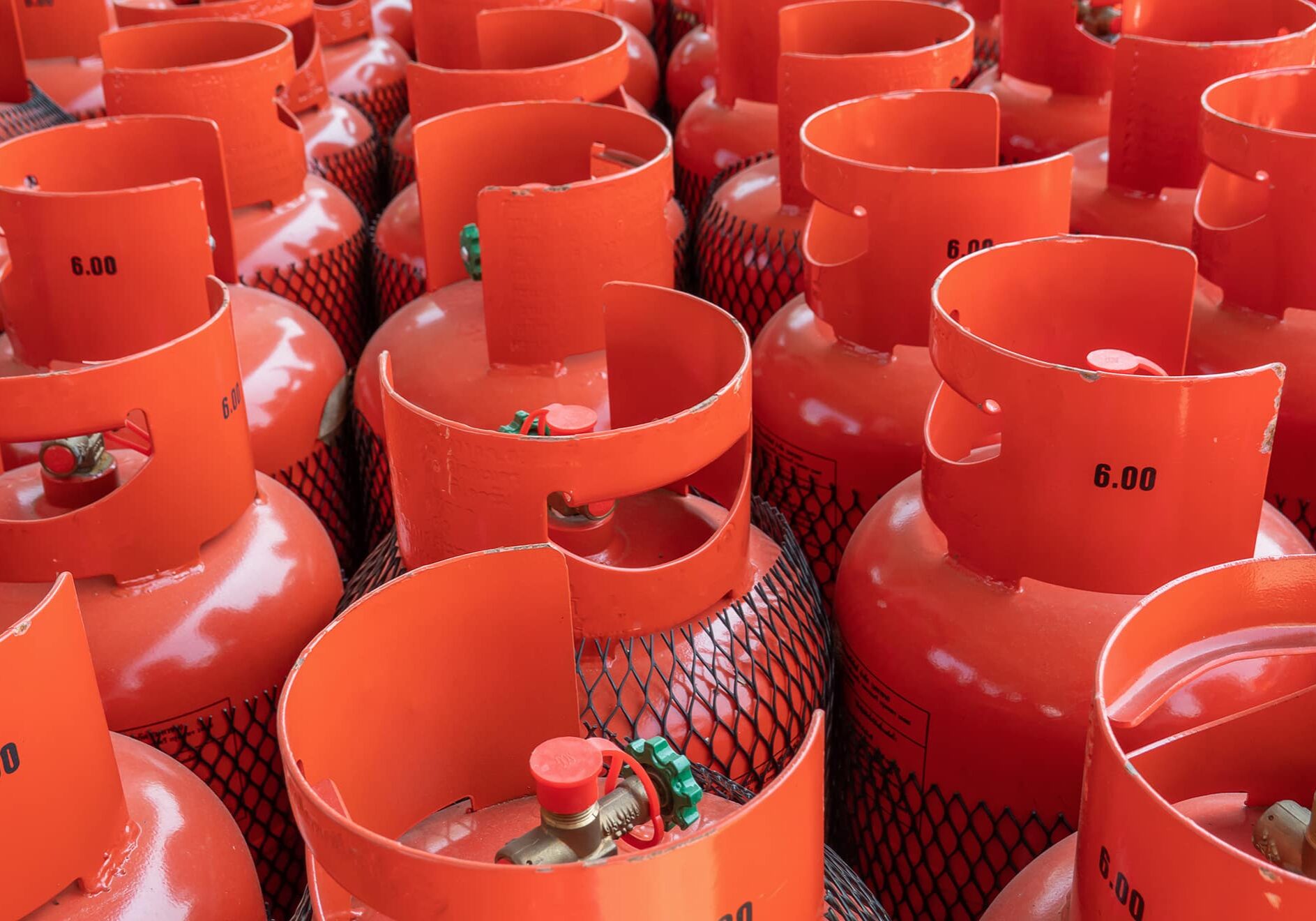
Liquified Petroleum Gas (LPG) is a versatile and efficient energy source, widely used for heating, cooking, and even fueling vehicles. However, like any energy source, it requires careful handling and strict adherence to safety regulations to prevent accidents. Whether you’re a homeowner, business owner, or just someone interested in LPG, understanding the regulations and safety practices is essential.
LPG Regulations: What You Need to Know
1. Storage Requirements
LPG is stored in pressurized tanks, and there are specific regulations governing their placement and maintenance. Tanks must be placed a certain distance away from buildings, property lines, and ignition sources to minimize the risk of fire or explosion. Regular inspections are required to ensure the tanks are in good condition and free from leaks.
2. Licensing and Training
In many regions, individuals or businesses that handle LPG must obtain a license. This typically involves undergoing training on the proper handling, storage, and transportation of LPG. The training covers safety protocols, emergency response procedures, and the regulations specific to the local area.
3. Transportation Rules
LPG is classified as a hazardous material, so its transportation is strictly regulated. Vehicles transporting LPG must be equipped with safety features, and drivers need to be trained and certified. There are also restrictions on the routes and times when LPG can be transported to reduce risks.
4. Installation Standards
When installing LPG systems, it’s crucial to comply with local building codes and standards. This includes ensuring that the installation is done by a certified professional and that all components, such as pipes and valves, meet the required safety standards. Regular maintenance checks are also mandated to ensure ongoing safety.
Essential LPG Safety Tips
1. Regular Maintenance and Inspection
Routine checks of your LPG system can prevent leaks and other issues that could lead to dangerous situations. Look out for signs of wear and tear, and immediately address any issues, such as corrosion on tanks or loose connections.
2. Leak Detection
LPG has a distinct smell added to help detect leaks. If you ever smell gas, act immediately by turning off the supply at the tank, ventilating the area, and avoiding any open flames or sparks. Contact a professional to inspect the system before turning it back on.
3. Proper Ventilation
Always ensure that areas where LPG is used are well-ventilated. This is particularly important in indoor settings where gas could accumulate if there’s a leak. Poor ventilation increases the risk of fire or explosion.
4. Safe Refueling Practices
When refueling LPG tanks, make sure the area is clear of any ignition sources, and always follow the proper refueling procedures. Never overfill the tank, as this can lead to pressure build-up and potential hazards.
5. Emergency Preparedness
Have an emergency plan in place in case of an LPG leak or fire. Ensure that everyone in your household or business is aware of the plan and knows how to shut off the gas supply and evacuate the area. Keep fire extinguishers rated for gas fires accessible and ensure they are regularly maintained.
LPG is a safe and efficient energy source when handled correctly. By adhering to regulations and following safety tips, you can enjoy the benefits of LPG without unnecessary risks. Always stay informed about local regulations and best practices, and never hesitate to seek professional help if you’re unsure about any aspect of LPG safety.