


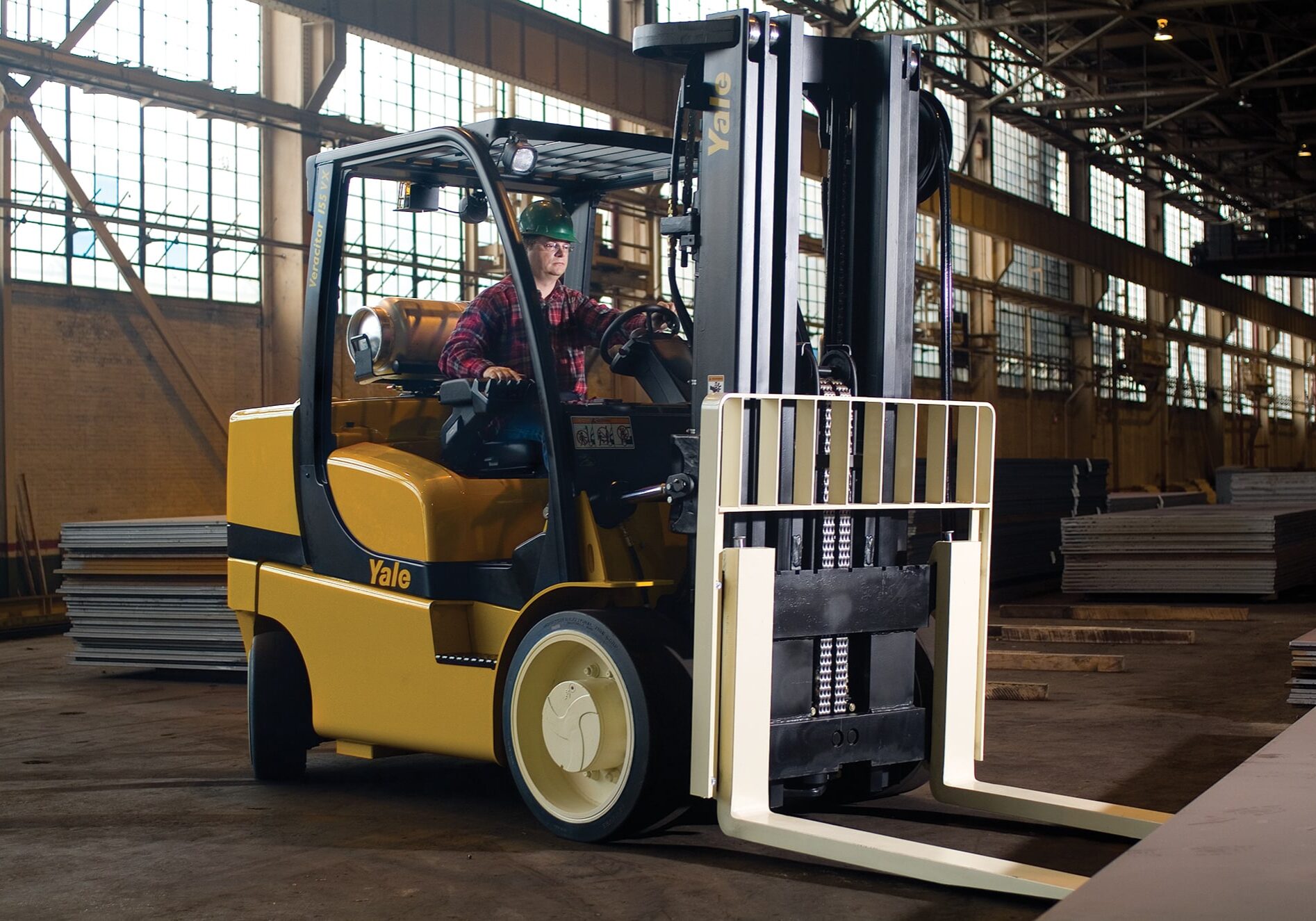
Forklifts are essential equipment in many industries, from warehousing to construction. Despite their robust design, forklifts are not immune to issues that can disrupt operations and cause downtime. Understanding common forklift problems and how to address them can help maintain efficiency and safety in your workplace. Here are some of the most frequent forklift issues and tips on how to handle them:
- Forklift Mast Problems
The mast is a critical component of a forklift, responsible for lifting and lowering loads. Common issues include:
- Jerky or Slow Movement: This can be caused by low hydraulic fluid levels or air in the hydraulic system. Regularly check and maintain fluid levels, and bleed the hydraulic lines to remove air.
- Leaking Hydraulics: Worn seals or damaged hoses can lead to leaks. Inspect the hydraulic system regularly and replace any damaged parts immediately.
- Mast Misalignment: Misalignment can result from wear and tear or impacts. Regularly check the alignment and have a professional service technician adjust it as necessary.
Lift Chain maintenance is critical to keeping the mast of the forklift in top operating condition. Have your chain wear measured during all scheduled maintenance to ensure the safe operation of your lift.
- Forklift Battery Issues
Electric forklifts rely on batteries, and problems with these can severely impact performance:
- Short Battery Life: This can result from improper charging practices. Ensure batteries are charged according to manufacturer guidelines and avoid overcharging or deep discharging.
- Corroded Terminals: Corrosion can impede electrical flow. Regularly clean battery terminals and apply anti-corrosion spray.
- Old Batteries: Over time, batteries lose their capacity. Regularly check battery health and replace batteries that no longer hold a sufficient charge.
- Tire Wear and Damage
Tires are essential for forklift stability and safety. Common tire issues include:
- Uneven Wear: This can be caused by improper inflation, alignment issues, or carrying loads beyond capacity. Regularly inspect tires, maintain proper inflation, and ensure the forklift is used within its load limits.
- Cuts and Punctures: Debris in the work area can damage tires. Keep the work area clean and inspect tires regularly for any signs of damage.
- Flat Spots: Rapid deceleration or turning can cause flat spots. Train operators on proper handling techniques to avoid these issues.
Your forklift tires are the shock absorbers of the forklift. As the tires wear, the operator suffers from increased impacts and experiences a rougher ride.
- Brake Problems
Brakes are vital for safety. Common issues include:
- Squeaking or Grinding Noises: These noises often indicate worn brake pads. Regularly inspect and replace brake pads as needed.
- Spongy Brake Pedal: This can be due to air in the brake lines or low brake fluid. Bleed the brake lines and maintain proper fluid levels.
- Brakes Not Holding: Worn brake components can cause this issue. Have a professional inspect and service the brakes if they are not functioning correctly.
Wet Brake axles are becoming more popular with extended brake life. Fluid maintenance on the wet brake axle is required to ensure top performance and extended life.
- Steering Difficulties
Proper steering is crucial for maneuverability. Issues include:
- Hard Steering: This can be caused by low power steering fluid, worn steering components, or tire problems. Check fluid levels, inspect the steering system, and ensure tires are in good condition.
- Steering Pulling to One Side: Misalignment or uneven tire pressure can cause this. Regularly check alignment and tire pressure, and adjust as necessary.
- Engine Problems
For internal combustion forklifts, engine issues can cause significant disruptions:
- Hard Starting or Stalling: This can be due to fuel system issues, such as clogged filters or bad fuel. Regularly replace fuel filters and use clean, quality fuel.
- Overheating: This can result from a malfunctioning cooling system. Ensure the radiator is clean, the coolant level is adequate, and the fan is working properly.
- Excessive Exhaust Smoke: This can indicate engine problems like worn piston rings or valves. Have a professional diagnose and repair internal engine issues.
- Electrical Issues
Electrical problems can affect various forklift functions:
- Faulty Wiring: Damaged wiring can lead to intermittent electrical failures. Inspect wiring regularly and repair any damaged sections.
- Sensor Failures: Modern forklifts use sensors for various functions. If sensors fail, it can impact performance. Regularly check sensors and replace any that are not working properly.
- Dead Batteries: For electric forklifts, ensure batteries are properly maintained and replaced when they can no longer hold a charge.
Planned Maintenance
Regular maintenance is the best way to prevent these common forklift issues. Establish a routine maintenance schedule that includes:
- Daily Inspections: Check tires, fluid levels, and controls before each shift.
- Scheduled Services: Follow manufacturer recommendations for servicing, including oil changes, filter replacements, and brake inspections.
- Operator Training: Ensure all operators are trained on proper forklift use and maintenance procedures.
By staying proactive and addressing issues early, you can minimize downtime, extend the lifespan of your forklifts, and maintain a safe working environment. Remember, regular maintenance and prompt attention to problems are key to keeping your forklift fleet in top condition.