


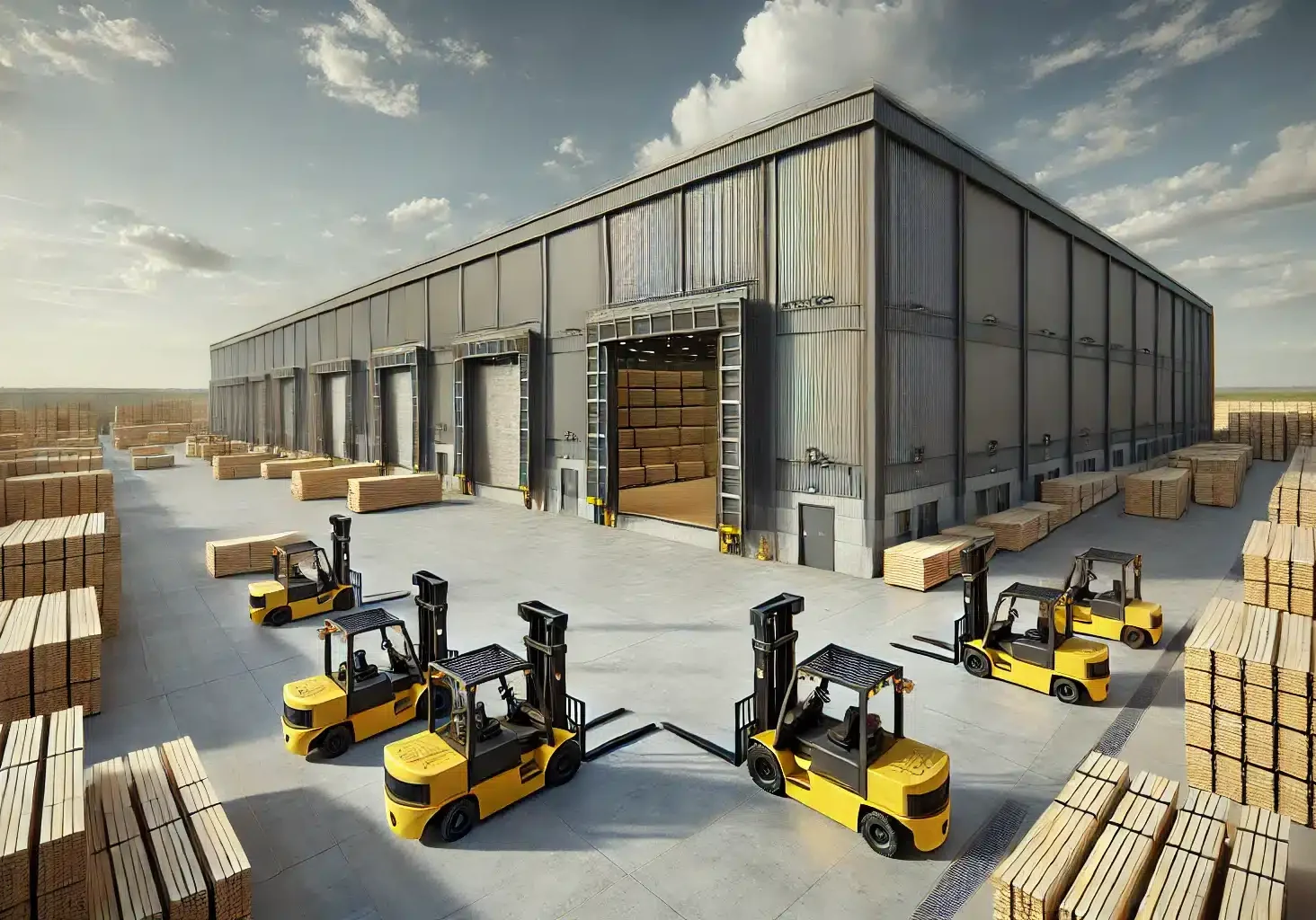
Forklifts are essential for material handling in warehouses, construction sites, and industrial yards. However, not all forklifts are created equal—selecting the right one depends largely on whether you’ll be using it indoors or outdoors. The wrong choice can lead to increased maintenance costs, reduced efficiency, and even safety hazards. In this guide, we’ll explore the key differences between warehouse and outdoor forklifts and how to choose the best fit for your operations.
Warehouse Forklifts: Designed for Indoor Efficiency
Indoor forklifts are built for maneuverability, productivity, and minimal environmental impact. They operate smoothly on even surfaces, making them ideal for warehouses, manufacturing plants, and distribution centers.
Key Features of Warehouse Forklifts:
✅ Electric Power: Most indoor forklifts run on electric batteries, reducing emissions and noise in enclosed spaces.
✅ Compact Design: Their small size allows them to navigate narrow aisles and tight corners.
✅ Cushion Tires: These solid rubber tires provide excellent traction on smooth concrete floors but are not suitable for rough terrain.
✅ Lift Capacity: Typically designed for lifting pallets, boxes, and racking materials within a controlled environment.
Best Forklift Types for Indoor Use:
- Electric Counterbalance Forklifts – Ideal for general warehouse tasks.
- Reach Trucks – Perfect for high-rack storage in narrow aisles.
- Order Pickers – Designed for picking individual items from shelves.
Outdoor Forklifts: Built for Durability and Rough Terrain
Outdoor forklifts are designed to handle uneven surfaces, weather conditions, and heavy-duty lifting. These forklifts must be robust, stable, and capable of operating in varying environments like lumber yards, construction sites, and docks.
Key Features of Outdoor Forklifts:
✅ Internal Combustion (IC) Engines: Gasoline, diesel, or propane-powered for increased strength and endurance.
✅ Pneumatic Tires: Air-filled or solid rubber tires provide superior traction on gravel, dirt, and uneven ground.
✅ Weather-Resistant Build: Equipped with protective features for exposure to rain, humidity, and temperature changes.
✅ Higher Lift Capacity: Often built to lift heavier loads compared to indoor forklifts.
Best Forklift Types for Outdoor Use:
- Rough Terrain Forklifts – Designed with heavy-duty tires for construction sites.
- Diesel-Powered Forklifts – Best for large-scale, heavy lifting outdoors.
- Telehandlers – Excellent for reaching high and distant loads in outdoor settings.
Key Considerations When Choosing a Forklift
💡 Surface Conditions: If you operate on smooth concrete, an electric warehouse forklift is ideal. If your site has uneven terrain, opt for a pneumatic-tired outdoor forklift.
💡 Load Capacity: Indoor forklifts typically handle lighter loads, while outdoor forklifts support heavy-duty applications.
💡 Fuel Type & Emissions: Electric forklifts are better for indoor air quality, while IC-powered forklifts offer more power for outdoor conditions.
💡 Maneuverability: If space is limited, a reach truck or compact electric forklift is the best option for warehouse operations.
Selecting the right forklift for your operation ensures effectiveness, safety, and cost savings. Warehouses benefit from electric, compact forklifts, while outdoor environments require rugged, high-capacity models. Assess your needs based on terrain, load capacity, and fuel type to make the best decision for your business.
Need help choosing the right forklift for your operation? Contact us today for expert advice and top-quality forklift services!