


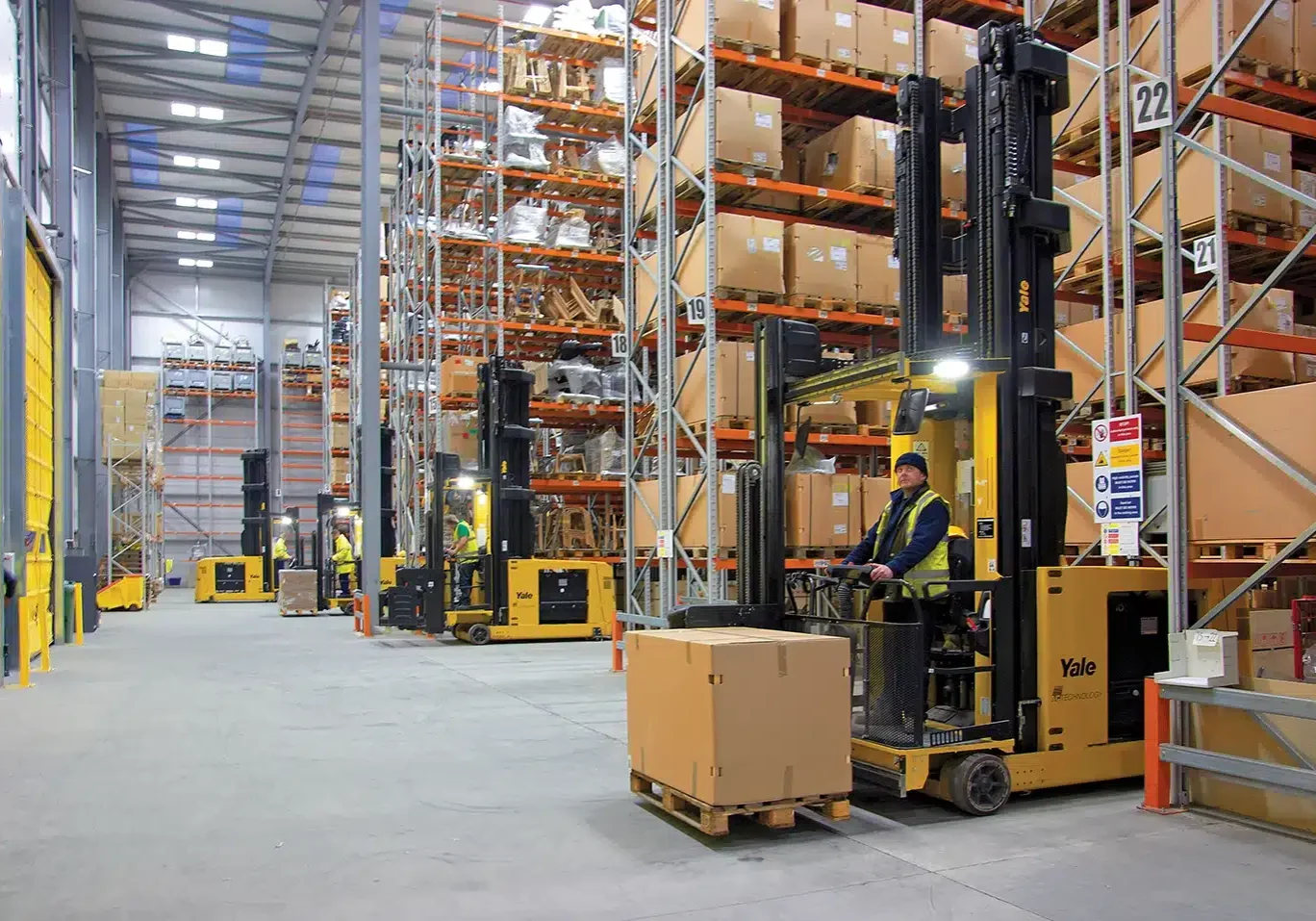
How to Maximize Your Forklift’s Efficiency in Your Warehouse
Efficient forklift operation is crucial for boosting productivity, reducing costs, and maintaining a safe working environment in your warehouse. Whether you’re managing a large facility or a smaller storage area, optimizing the way you use your forklifts can have a significant impact on your bottom line. Here are some effective strategies to maximize forklift efficiency in your warehouse:
- Regular Maintenance is Key
Routine maintenance ensures your forklifts run smoothly and avoid costly breakdowns.
- Scheduled Inspections: Regularly inspect key parts like tires, brakes, hydraulics, and batteries. This helps prevent minor issues from turning into major problems that could halt your operation.
- Keep It Clean: A clean forklift runs more efficiently. Dust, dirt, and debris can clog filters or damage moving parts, reducing overall performance.
- Battery Care: For electric forklifts, ensure batteries are charged properly and maintained according to manufacturer guidelines. This can extend battery life and optimize performance.
- Train Operators Thoroughly
Well-trained forklift operators can dramatically increase the efficiency and safety of warehouse operations.
- Proper Loading and Unloading: Teach operators the best practices for stacking and unstacking loads. Properly balanced loads not only increase safety but also reduce wear and tear on the forklift.
- Driving Techniques: Encourage operators to practice smooth driving techniques, like avoiding abrupt turns, sudden starts, and unnecessary stops. This can extend the life of the forklift and prevent fuel wastage.
- Speed Management: While it’s important to meet deadlines, speeding can be counterproductive. Ensuring operators maintain a steady and safe speed can help reduce operational wear and improve efficiency.
- Streamline Warehouse Layout
A well-organized warehouse leads to quicker and more efficient forklift movements.
- Efficient Racking Systems: Ensure that your racking systems are organized in a way that minimizes the travel distance for forklifts. High-density racking or drive-in/drive-thru racking can help save space and reduce unnecessary movement.
- Clear Pathways: Maintain clear, unobstructed pathways for forklifts to navigate efficiently. This reduces delays caused by obstacles and ensures operators can move swiftly from one task to the next.
- Strategic Placement of Goods: Place frequently picked items near loading docks or high-traffic areas to reduce the time it takes for forklifts to retrieve them.
- Boost Load Handling Efficiency
Efficient load handling can drastically reduce the time spent on each lift.
- Load Size and Weight: Ensure that operators are aware of the forklift’s weight and load capacity limits. Overloading or improperly distributing the load can affect the forklift’s balance and efficiency, leading to wasted time and energy.
- Use Attachments When Needed: If your warehouse handles a variety of materials, make sure you have the proper attachments (e.g., fork extensions, rotators) to handle different types of loads. This minimizes the need to switch out forklifts for specialized tasks.
- Use Technology to Your Advantage
Warehouse management systems (WMS) and other technology can streamline operations.
- Forklift Telemetry Systems: Implementing forklift tracking systems can provide real-time data on performance, usage, and maintenance schedules. These systems can help you monitor fuel consumption, identify underused machines, and ensure timely servicing.
- Automated Material Handling: Consider using automated forklifts or conveyors for repetitive tasks. These systems can speed up picking and delivery, reducing manual handling time.
- Barcode Scanning: Integrating barcode scanning with forklifts helps to speed up inventory management and ensures that operators know exactly where to find and place items.
- Refine Forklift Fleet Size
Too many forklifts can cause unnecessary congestion, while too few can lead to bottlenecks.
- Right-Sized Fleet: Regularly assess your warehouse’s needs and optimize the number of forklifts in your fleet. An overstocked fleet wastes resources, while an undersized fleet can cause delays during busy periods.
- Forklift Sharing: If your warehouse operates in shifts, consider having a shared fleet for different teams. This can help you reduce the need for multiple forklifts while ensuring operators have the equipment they need during peak hours.
- Monitor and Analyze Performance
Continually assessing performance can reveal inefficiencies and help you fine-tune your operations.
- Track Performance Metrics: Monitor metrics such as forklift idle time, fuel consumption, and load times. This will allow you to identify areas where performance could be improved.
- Continuous Improvement: Regularly review and update your processes based on performance data. Encourage feedback from operators to find pain points that could be alleviated through improved procedures or equipment.
Maximizing forklift efficiency in your warehouse requires a combination of maintenance, operator training, smart warehouse layout, and technology integration. By following these tips, you can increase productivity, reduce operational costs, and create a safer, more efficient working environment. Small adjustments often lead to big results, so it’s worth investing time and resources into optimizing forklift use.